Founder · Pontiac Printing Press
Michael Jennings
Reverse Engineer
CAD Designer
Additive Manufacturing Specialist
CAD Experience
12+ Years
3D Print Hours
30,000+
Degree
Electrical & Electronics Engineering
Based
Michigan, USA
CAD Experience
12+ Years
3D Print Hours
30,000+
Degree
Electrical & Electronics Engineering
Based
Michigan, USA
01 — Early Life
About Michael
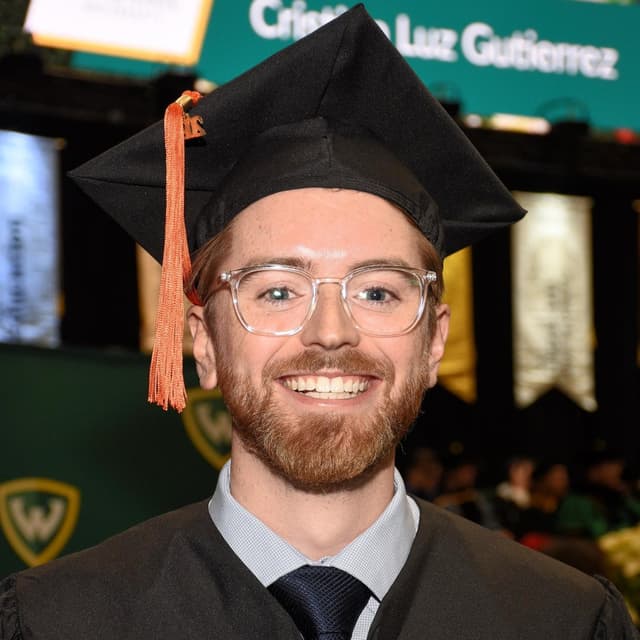
Wayne State University · Graduation 2025
Watching my dad taught me something early: you can either wait for someone else to fix it, or you can do it yourself. I grew up in the basement and garage, surrounded by tools, car parts, sawdust, wires, and whatever problem he was quietly figuring out that day.
He spent 40 years in the GM Design Studio working on auto bodies, then brought that same patience and precision home. That shaped me more than I realized at the time. I was cutting pennies in half with an oscillating saw when I was four or five years old. Later, I was taking apart controllers, bikes, scooters, speakers, computers, instruments, and anything else that looked like it had room for improvement.
I built my first custom PC at 14, then kept building, rebuilding, upgrading, and troubleshooting them. I ran Ethernet through the cold air return for a better gaming connection. I was also the kid with the camera. VHS, tape, SD cards, DVDs, Flip cameras, GoPros, phones, DSLRs — whatever the format was at the time, I found a way to use it. I filmed skate videos, fake Batman movies, drum covers, guitar covers, snowboarding, BMX, scooters, and whatever creative thing my brothers and friends were trying to pull off.
It was never only about making things work. I wanted things to look right, feel right, and work better than they did before. Sometimes that meant building a cleaner computer. Sometimes it meant tuning a drum kit, modifying a guitar, painting a scooter, reworking a bike, touching up car wheels, painting a hood, or masking off an Xbox controller in red tiger camo because I thought the stock version was boring.
A lot of it was probably polishing turds. But that was the practice. I was learning how much difference the last 20 percent can make: a cleaner line, a better fit, a nicer finish, a part that feels right in your hand, or a machine that looks like someone cared. The thread through all of it was simple: if I thought something could be better, I had a hard time leaving it alone.
I was not afraid to open things up, repair them, customize them, drill into them, or risk messing them up to understand them better. As I infamously say, you don't own it until you've put a hole in it. Engineering did not give me that instinct. It gave me a language for it. It was never really one medium. It was the same instinct showing up through different tools.
02 — Oakland Schools Technical Campus · Pontiac, Michigan
Where the Fundamentals Come From
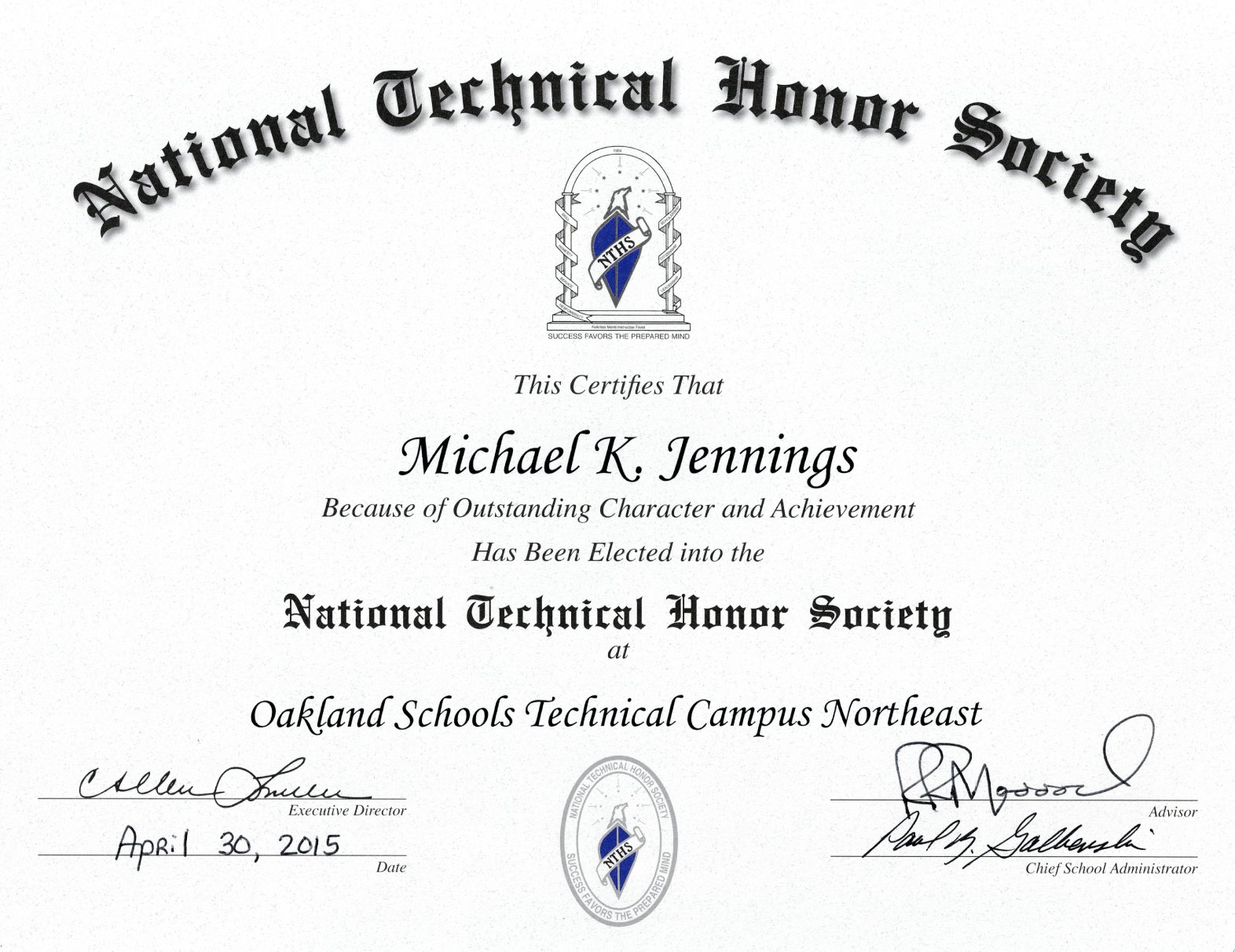
National Technical Honor Society
OSTC-Northeast · April 30, 2015
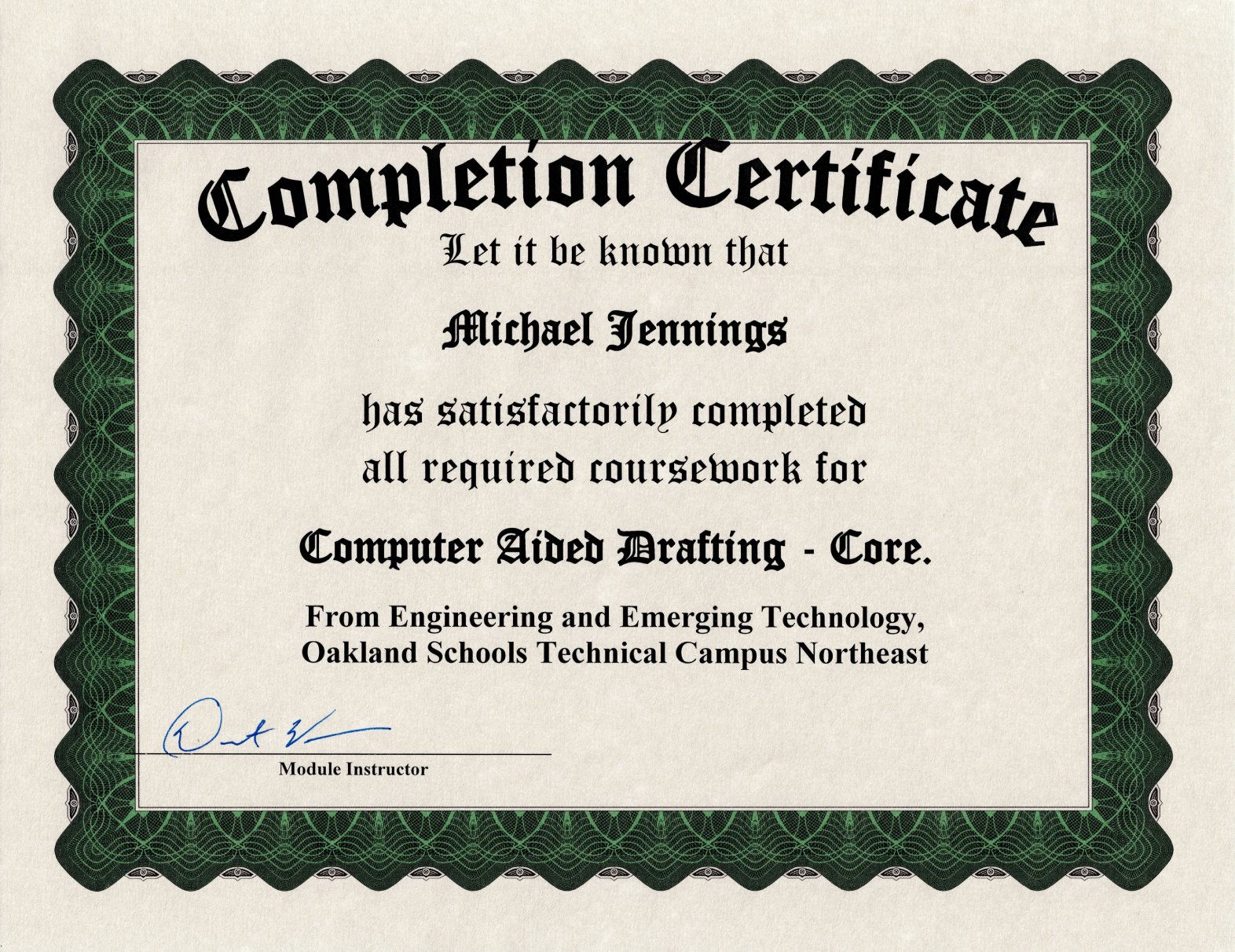
Completion Certificate
Computer Aided Drafting — Core · OSTC-NE · 2014
Growing up I was always seen as the “smart” kid. I made every honor roll, got pulled into all of the advanced classes, won the spelling bee, made the National Technical Honor Society. But to be honest, I always played it too safe, staying in a zone where I wouldn't look stupid or fail publicly. I knew I was capable of more, but I didn't act like it.
At some point I realized my life had been going like my childhood skateboarding career. I was always standing at the top of the half-pipe, board in hand, never dropping in.
Bored of all of the normal classes, I decided to enroll at Oakland Schools Technical Campus in Pontiac, Michigan. I joined the Mechatronics program. This is where I learned more in one year than anywhere before or since.
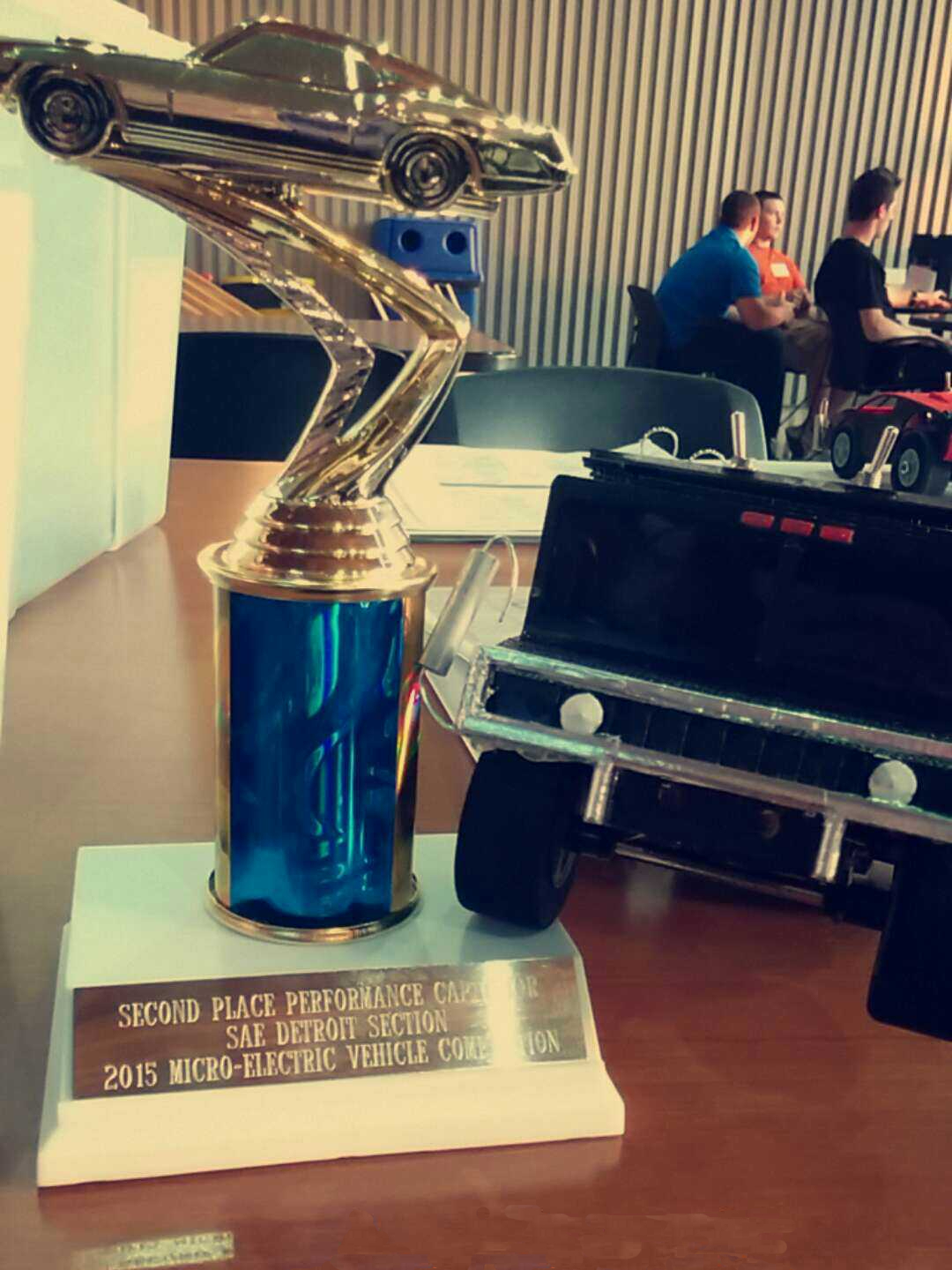
The Humvee
3D Modeled & Printed at OSTC-NE
The CAD program was serious. CATIA and SolidWorks the old way — before the software did the work for you. Every line had to be fully defined. Nothing extruded until the geometry was right. Not only did I work through 700 pages of a CAD textbook, I also trained on FANUC robots, HAAS CNCs, and 3D printers better than anything I'd find at university.
I aced everything, led the micro-electric vehicle team — designed a Humvee body from scratch, built it into a working electric car, and competed at the SAE Detroit Section Micro-Electric Vehicle Competition — then led the VEX robotics team.
Chuck Beyer was teaching while working at Chrysler and running his own consulting practice. He showed up every day like it mattered. He still does. That kind of teacher changes things.
Technical schools are cool now. They were just as valuable then. I was just early.
03 — College to Today
The Long Way Around
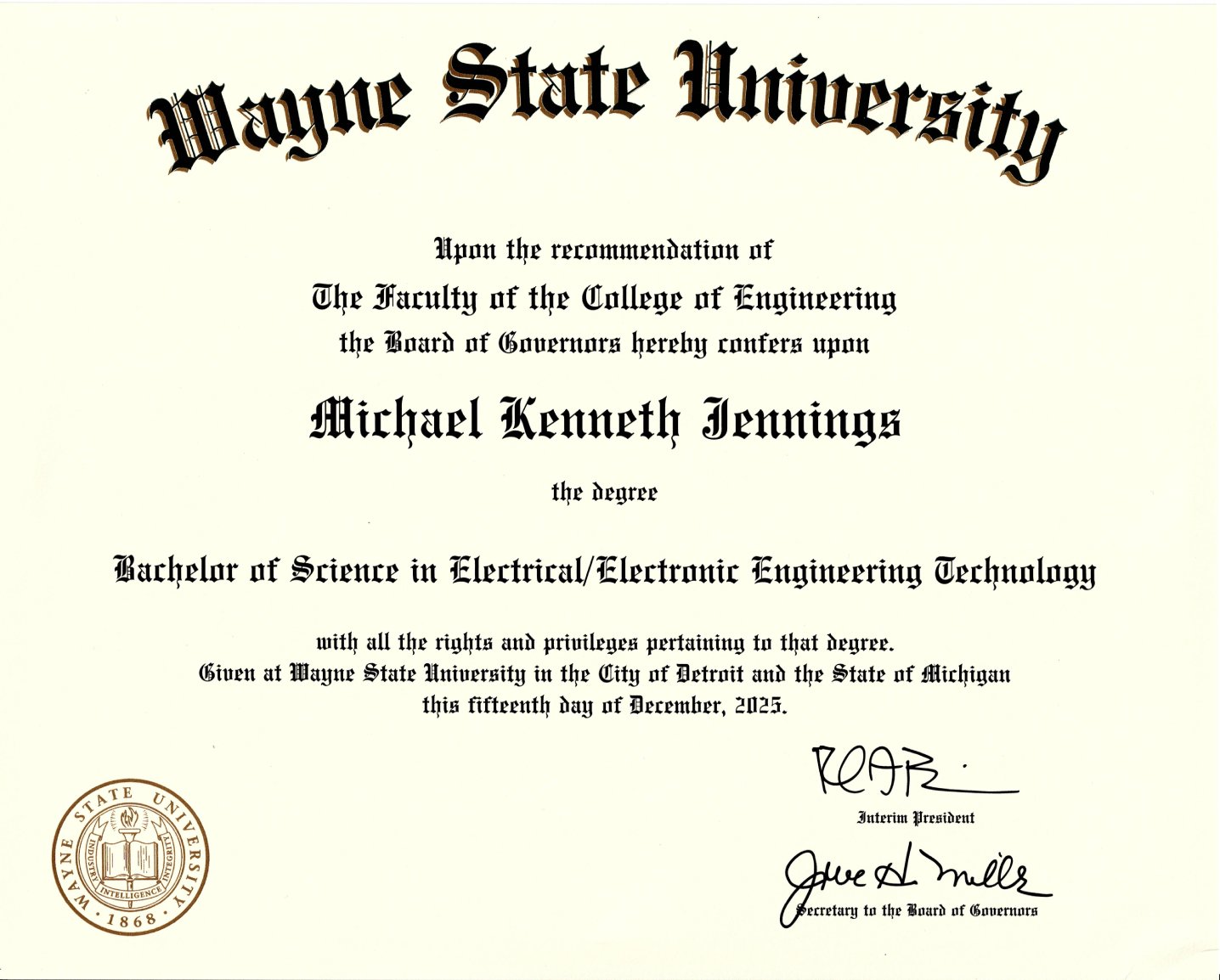
B.S. Electrical & Electronics Engineering Technology
Wayne State University
After coasting for 18 years, engineering school didn't go clean — not even close.
During my time at Oakland University, I developed food allergies and stomach issues that made normal life difficult. I failed classes, lost my scholarship money, and was told directly by a professor that I “would never be an engineer.” I lost 35 pounds from stomach issues that had me throwing up more than 20 times a week.
The failures stacked in ways that felt absurd. I failed one class by 1%. I failed another after being rear-ended on the way to the final exam and showing up an hour late. I eventually got put on probation at Oakland University and was even failing repeat classes at community college. After 2.5 years, I was kicked out. Life forced me to recalibrate and take some time off.
For the first time in my life, I couldn't just coast through it. I went from being an all-A student to someone who had failed out of one school and was on the edge at another. You either internalize the failures and shrink, or you decide it doesn't define you.
When I re-enrolled at Wayne State in 2019, I thought I was close to the finish line. Then COVID happened. Then I blew my shoulder out — not once, but twice. The same labral repair surgery exactly one calendar year apart.
The whole time at Wayne State, I was doing production CAD work full time at Lippert — real engineering in a real manufacturing setting, while finishing the credential that proved it on paper.
I didn't quit. It took ten years and nearly 200 credits to finish a degree that was supposed to take far less. But I finished. And more importantly, it changed how I approach things. You only fail when you give up.
04 — East Side of Pontiac
P.P.P Origins
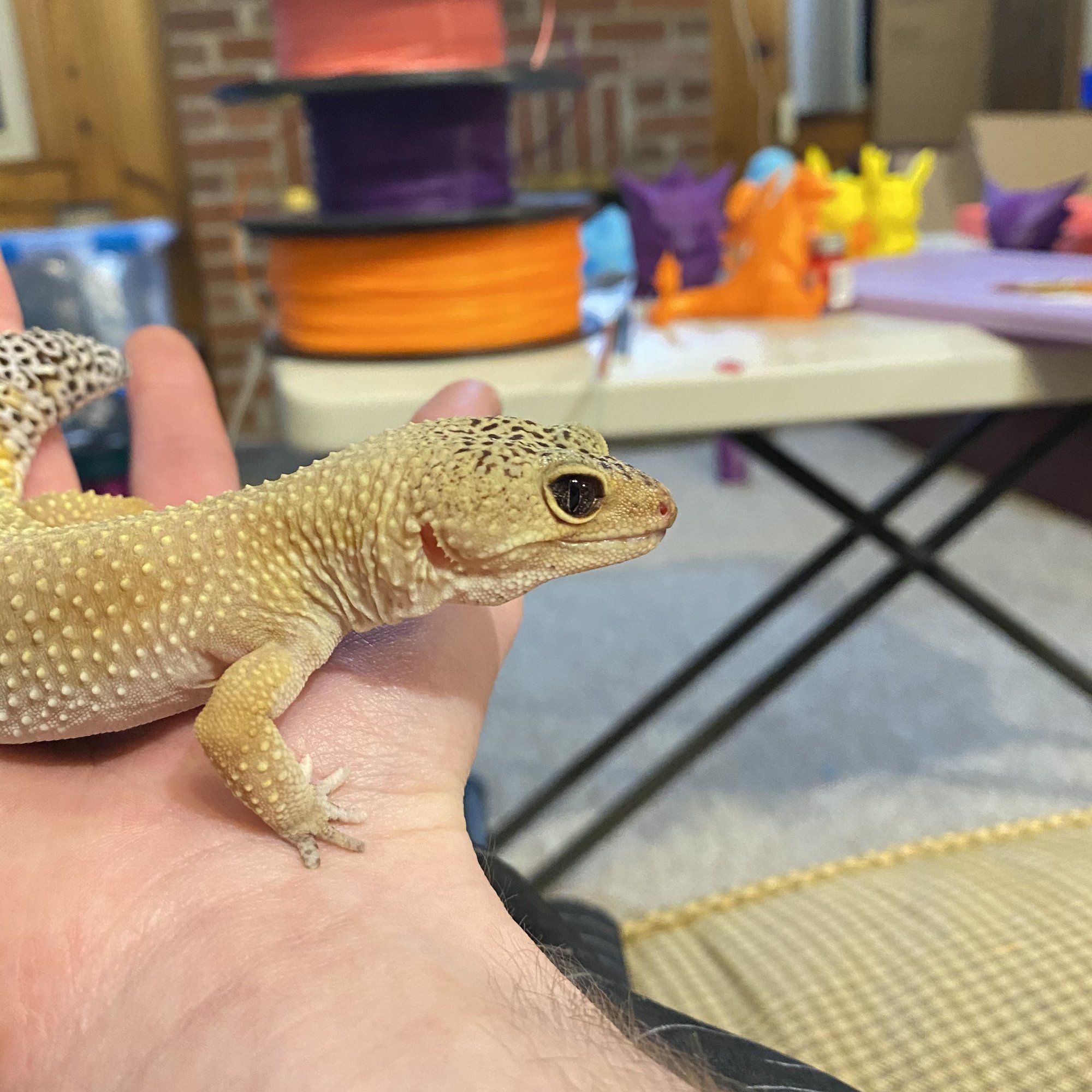
Early PPP behind the scenes feat. Miguel
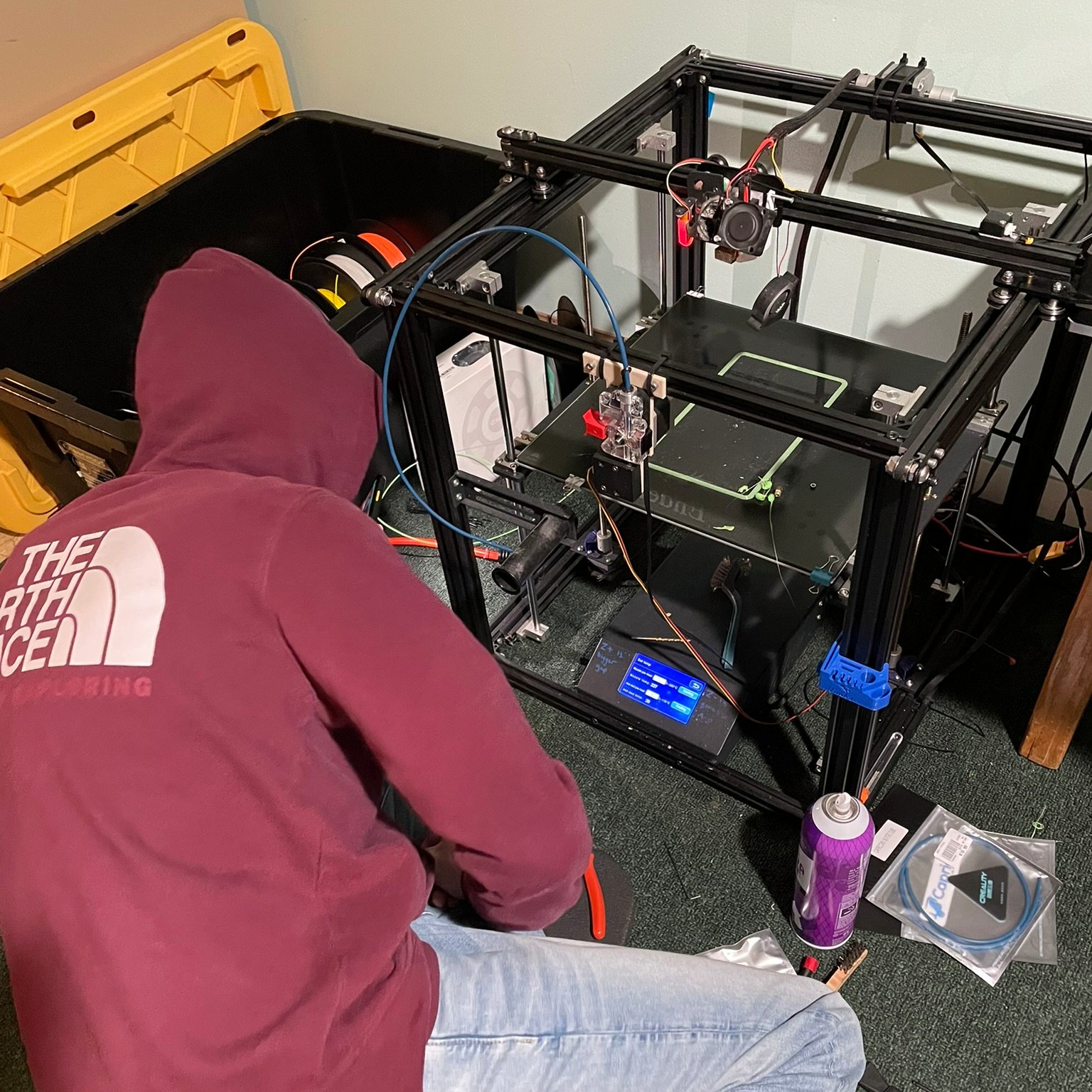
Ender 5 Plus maintenance — the $500 printer that started it all
Pontiac Printing Press started during the same stretch where I was trying to finish school, recover from shoulder surgeries, and keep my life from sliding backward. I had injured myself skateboarding after class at Wayne State, then reinjured the same shoulder during COVID after the gyms shut down. The surgeries were exactly one calendar year apart. It felt almost too stupid to be real.
My first day back at work was the day everything shut down. I was getting paid cash, which meant no unemployment, no clean backup plan, and no easy explanation for how bills were supposed to get paid. Credit cards were getting close to maxed, and I had to make a decision. Wait for help, or build something.
I didn't get a PPP loan, so I made Pontiac Printing Press my personal PPP. I spent my last $500 on an Ender 5 Plus because printers had finally become good enough and cheap enough to feel dangerous. Fusion 360 was free, I already knew CAD, and I had enough stubbornness to keep going until something worked. That was enough to start.
I started with simple things that could sell — guitar pick holders, Pokémon models, small products. I figured out what people bought, what shipped well, and what was worth making more of. It was never complicated, just time consuming.
Eventually I was showing up to USPS with baskets full of packages and filling the counter. People would stare, and I honestly liked it. Not because it was flashy, but because it was proof. Something I made was leaving my room and going into the world. It was just me, Miguel, and the printers for a while — and that was enough.
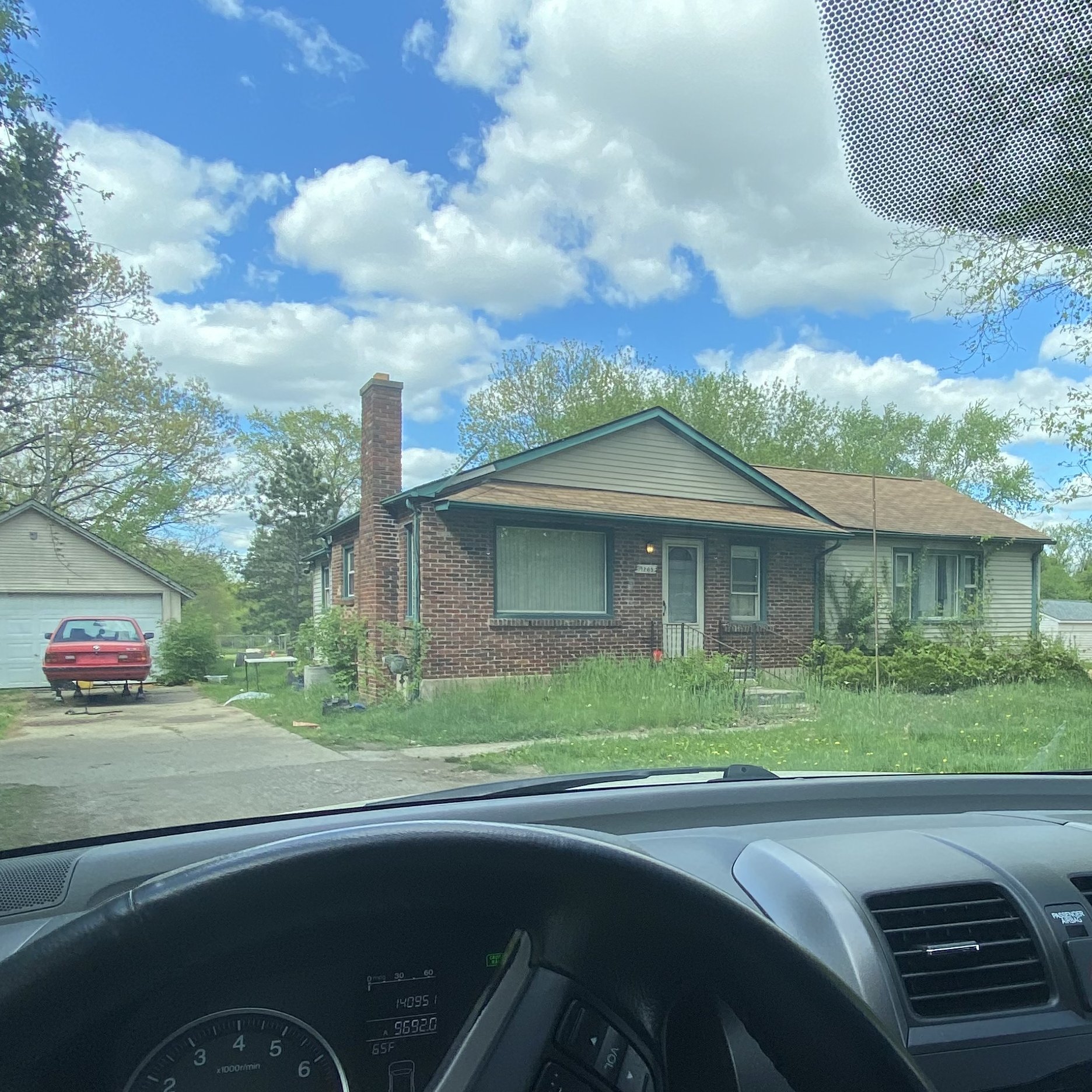
The original home of Pontiac Printing Press
The name came from a few places. I lived in Pontiac, I print, I like alliteration, and I needed my own PPP when nobody else was handing me one. Pontiac Printing Press sounded bigger than it was, but it also sounded like something I could grow into.
Now the work is more intentional. I care about layer lines, fitment, texture, how something feels in your hand, whether it still works after the novelty wears off. Pontiac Printing Press is the first thing I've built where I can't hide — no class, no company, no team. If the work is good, that's on me. If it misses, that's on me too. At the core of it, I'm proving I can build something real, compete with anyone, and proudly stand behind my own work.